Tobacco enjoyment practices
Navigating cigar culture and habits
Appreciating a finely rolled wrapper requires understanding the underlying craftsmanship, proper handling methods, and recognizing when transitioning toward modern consumption alternatives becomes a personal preference.

Exploring distinctive vitolas and formats
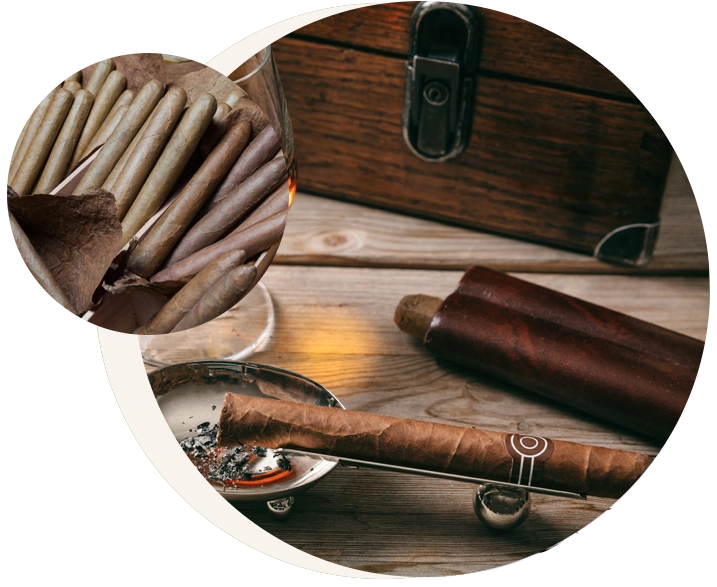
Different ring gauges and lengths drastically alter the burn rate and flavor profile.
The structural design of a parejo offers a straight cylinder ending in a rounded head, providing consistent airflow throughout the experience. Conversely, pointed figurados concentrate the smoke initially, delivering an intense burst of complex notes before widening into a smoother, mellow draw.

01
Robustos: Short and thick compact
This compact format ensures a cool, flavorful draw under an hour.

02
Churchills: Extended tasting sessions
Longer dimensions allow nuanced flavor transitions over a prolonged period.

03
Torpedos: Tapered head designs
Pointed ends concentrate the smoke, intensifying the wrapper leaf characteristics.
Maintaining optimal humidity and temperature
Preserving delicate wrappers demands a controlled environment where relative humidity levels remain steady, preventing essential oils from evaporating and leaves from becoming dangerously brittle.
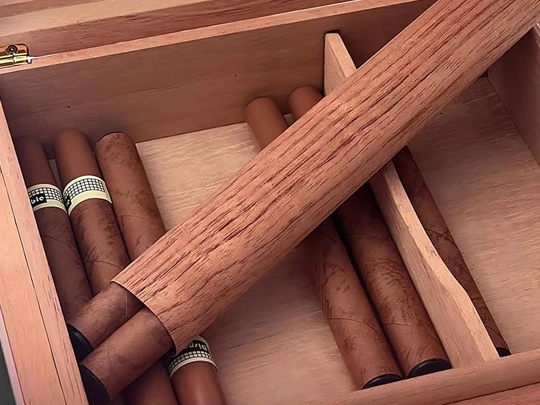
Spanish cedar lining
Porous wood absorbs excess moisture while imparting subtle aromas.
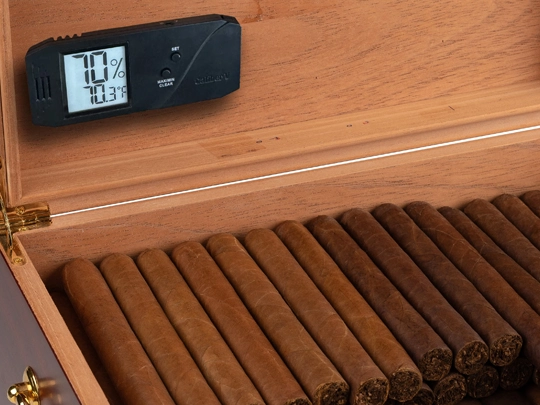
Digital hygrometer calibration
Precise sensors monitor internal climates to avoid unexpected fluctuations.
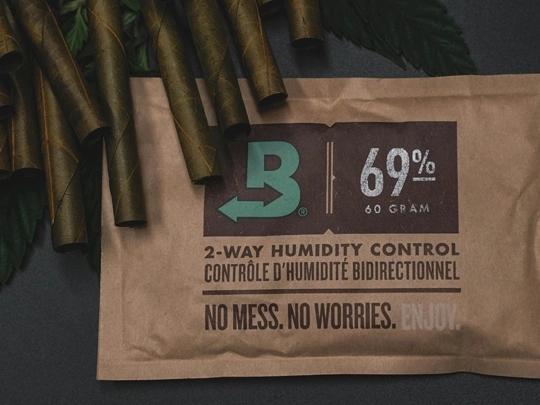
Two-way moisture packs
Gel membranes release or absorb water vapor automatically inside.
Mastering the ritual approach
Techniques for an even burn
Toasting the foot slowly without touching the flame directly prevents harsh carbon flavors. A gentle rotation ensures the entire circumference ignites symmetrically, establishing a solid ash cylinder that naturally regulates the burning temperature.
Essential tools for preparation
Precision instruments dictate the quality of the draw, making specialized equipment fundamental for piercing the cap without tearing the delicate outer tobacco leaf layer.
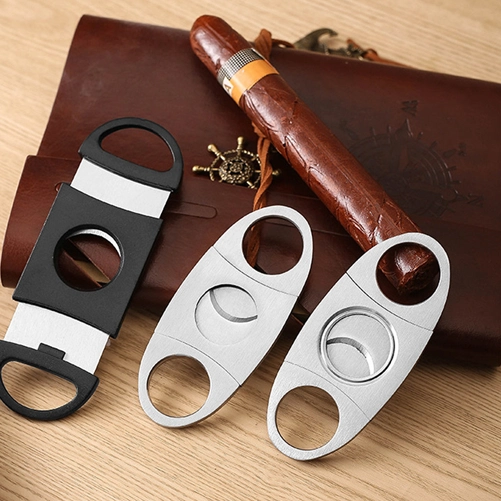
Double guillotine cutters
Twin steel blades slice cleanly through the filler bunch.
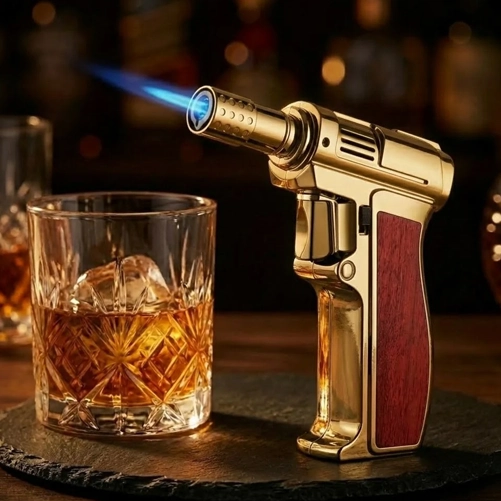
Butane torch lighters
Wind-resistant jets apply targeted heat for quick, uniform lighting.
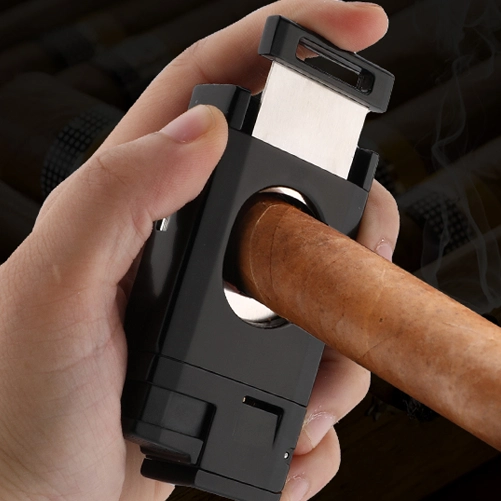
Deep v-cut punches
Wedge-shaped incisions open up airflow without removing the shoulder.
Transitioning toward different consumption habits
Evaluating personal choices
Modern substitutes for traditional combustibles
Technological advancements offer entirely different delivery systems that eliminate the combustion process, providing similar sensory experiences through vaporization or localized absorption without producing smoke.
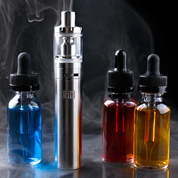
01
Electronic liquid heating
Coils turn flavored propylene glycol mixtures into inhalable vapor.

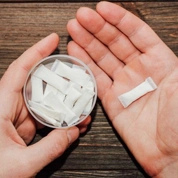
02
Oral synthetic delivery efficient
Small cellulose bags rest against the gum for absorption.
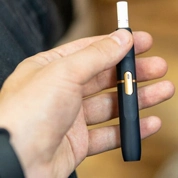
03
Thermal non-combustion systems
Specialized devices warm tobacco sticks just below burning point.
Structured approaches for complete quitting
Breaking behavioral loops often requires combining psychological strategies with physiological management. Gradually tapering down frequency minimizes severe withdrawal symptoms, while identifying daily triggers helps establish new routines that bypass the urge to engage in familiar, deeply ingrained habitual actions over time.
Navigating your personal tobacco journey
Whether refining the appreciation of hand-rolled craftsmanship or seeking structured paths to end consumption, informed decisions shape the relationship with these complex agricultural products.
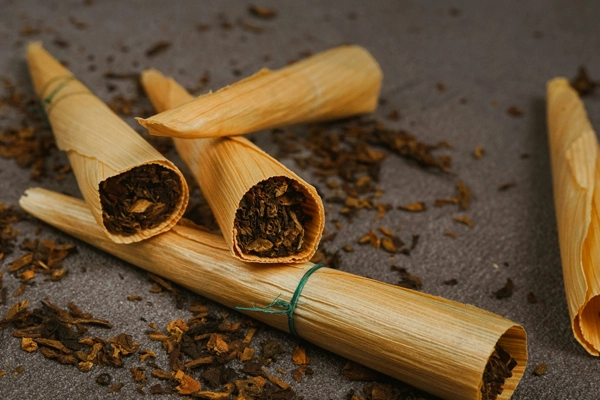
Understanding leaf blending profiles
Filler origins dictate the overall flavor complexity.
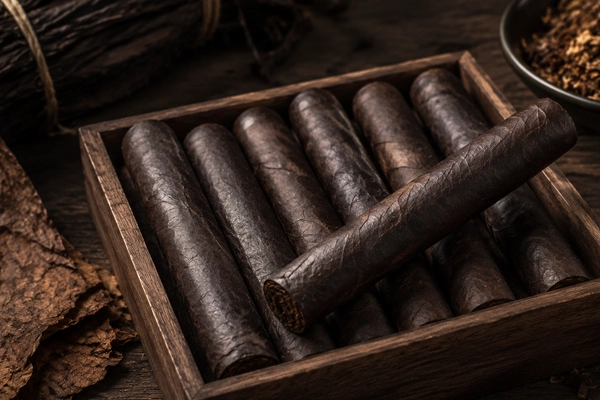
Recognizing wrapper color variations
Dark maduro leaves undergo extensive fermentation, resulting in sweeter, earthier notes during the burn.
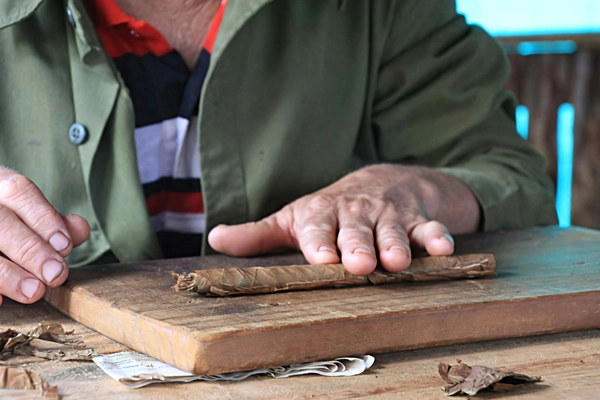
Identifying quality construction signs
Firmness throughout the barrel indicates proper rolling.